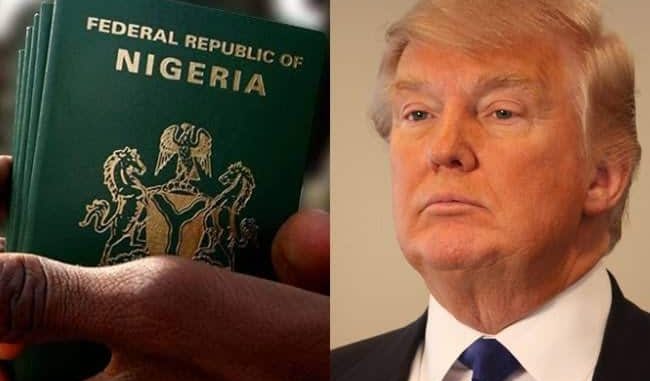
The United States (US) has temporarily suspended green card and citizenship applications linked to Nigerians, following an expansion of Washington’s immigration restrictions that affects several other countries.
The suspension targets legal immigration filings, including applications for permanent residency and naturalisation, and impacts many Nigerians already residing in the U.S. who were in the process of adjusting their status or applying for citizenship.
Under the new directive, immigration authorities have paused the processing of petitions from nationals of countries included in the latest travel restrictions.
These measures include both full bans and partial entry limits, depending on the country.
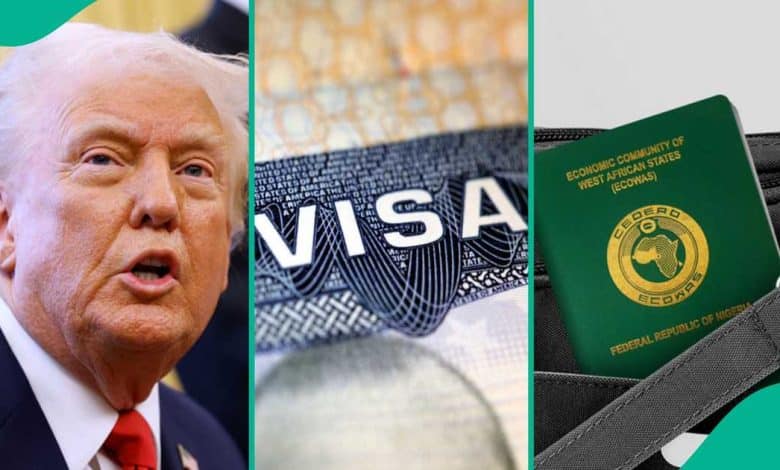
Nigeria faces partial restrictions, meaning that immigration-related requests tied to Nigerian nationals are currently on hold, creating uncertainty for families, workers, and students awaiting decisions.
Other African countries affected by the policy include Benin, Senegal, Ghana, Gambia, Zambia, Zimbabwe, and Côte d’Ivoire, among others. Some nations are subject to full entry bans, while others, like Nigeria, face limited restrictions that still affect immigration processing.
The move forms part of a broader immigration clampdown introduced in recent weeks. Authorities have also frozen asylum decisions and halted the processing of certain visa and immigration requests from specific nationalities.
READ ALSO: Providing Fake Document Leads to Permanent Visa Ban — US Warn Nigerians on Visa Fraud
US officials say the decision is linked to a security review of the immigration system.
According to the US Citizenship and Immigration Services (USCIS), “USCIS is conducting a comprehensive review of anyone from anywhere who poses a threat to the US, including those identified in the President’s latest proclamation to restore law and order in our nation’s immigration system.”
The latest policy changes affect a significant portion of African countries as well as several nations in Asia and other regions. Analysts estimate that more than half of Africa is now impacted in some form.
The development has drawn strong reactions among Nigerians at home and abroad. Critics have described the decision as unfair and potentially damaging to longstanding diplomatic and people-to-people ties between Nigeria and the United States.
Concerns have also been raised about the economic and social impact, particularly for families separated by immigration delays and professionals whose careers depend on legal residency status.
Former senator Shehu Sani described the suspension as “a clear signal that migrants from developing countries are no longer welcome.”
Leave a Reply